Events


4S Open Panels // OCT 2026
Emerging Technologies to Foster Innovative Therapeutic Interventions
Technological innovations are transforming therapeutic practices in human services. This panel invites abstracts exploring how technology intersects with psychotherapy, including tools such as geographic information systems (GIS) to map service needs, telehealth platforms enabling synchronous and asynchronous therapy, and gamification approaches that help clients engage with challenges from a safe narrative distance. These technologies can reduce stigma and logistical barriers associated with in-person therapy, such as travel. However, they may also introduce concerns like emotional distance and surveillance. The panel will present academic papers examining the ethical and practical implications of technology-mediated therapy, welcoming empirical research (quantitative or qualitative) and theoretical work that critically explores these developments.
Note: We are #149 on page 99!
WCHC WEBINAR // FEB 2026
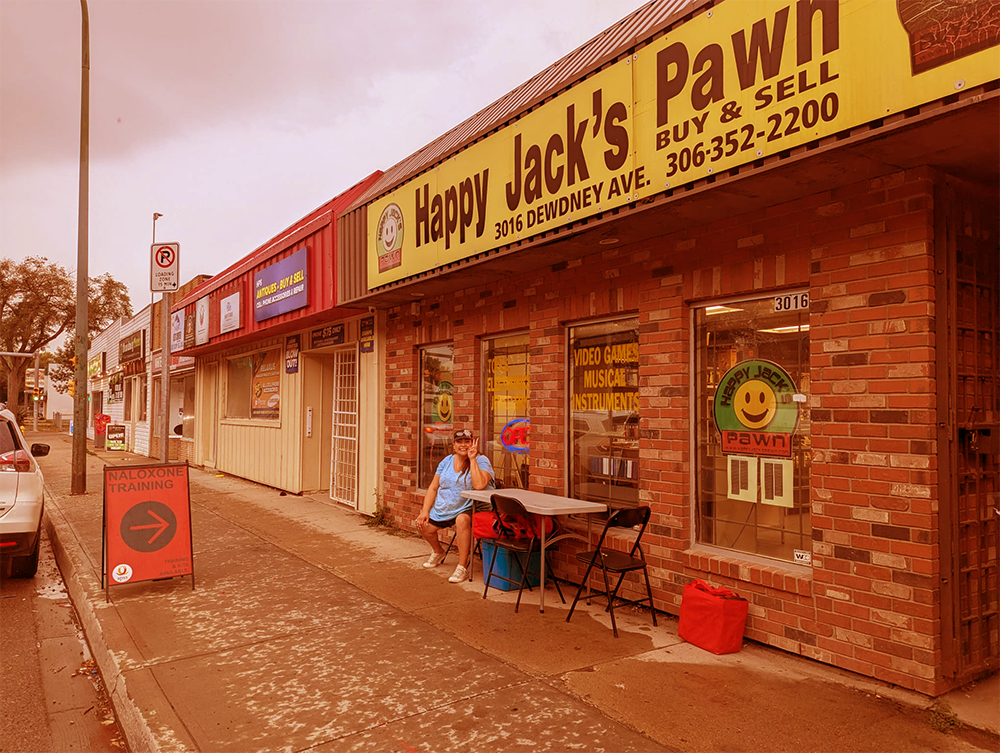
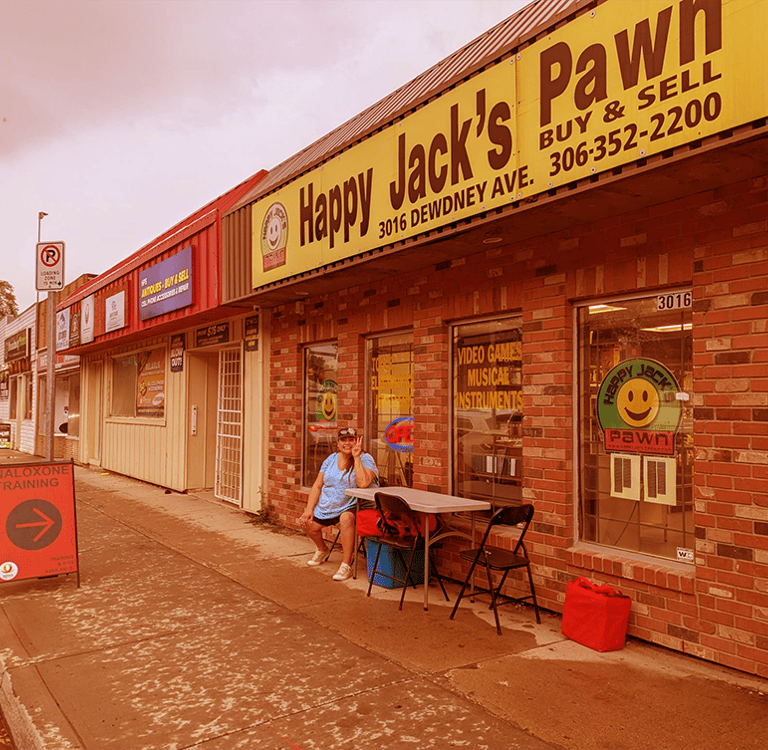
Community Maps, Collective Care and Empowering Through Connection
This presentation highlights two Regina-based projects developed with AIDS Program South Saskatchewan (APSS that utilized ReportNeedles.ca: Mapping Needles, Reducing Harm (completed) and 3 Infections, 1 Fight (3I1F) (launched in summer). Presented from a lived experience perspective, the session shares participant feedback from harm reduction support groups and 3I1F pop-up events, offering insights into the role of community-informed approaches in harm reduction and public health outreach.


SSSS SYMPOSIUM // NOV 2025
Current Research on Heterosexual-Identified Men Who Have Sex With Men
This symposium featured three studies on heterosexual-identified men who have sex with men (H-MSM), including a review of their identity and behaviors, a qualitative study of how they communicate about sex, and a quantitative comparison between H-MSM, gay/bisexual/queer men, and heterosexual men who have sex only with women. By the end, learners gained a greater understanding of common traits and experiences of H-MSM, how they discuss sexual matters with partners of different genders, and how they differ from both sexual-minority men and exclusively heterosexual men.
NO EASY ANSWERS // OCT 2025
A CAG2025 Pre-Conference Workshop About the Tensions and Triumphs in Community-Engaged Aging Research
This CAG2025 pre-conference workshop invited experienced community-based researchers to reflect on the evolving challenges and successes of community-engaged aging research amid shifting institutional expectations. Moving beyond “CBR 101,” it addressed advanced issues such as integrating partnerships into new methods, blending long-standing and new relationships, navigating power dynamics and principle misalignments, and adapting to changing community definitions. The session also considered how locally focused work can scale and how to manage conflicts of interest as CBR initiatives become more formalized. Overall, the workshop provided tools and dialogue to support the long-term practice of community-based research.